Ohio Ignition Interlock Installation
Getting your license back after an OVI conviction in Ohio means dealing with a web of requirements, and one of the most common is having an ignition interlock device (IID) installed on your vehicle. If you're looking for approved ignition interlock installation providers in Ohio for 2026, you're probably already feeling overwhelmed by the process. The rules have changed over the years, the list of certified providers shifts, and finding a service center that's actually convenient can be its own headache. This guide breaks down exactly what Ohio requires, who can install your device, what it'll cost, and how to get through the process without tripping over avoidable mistakes. Whether you're in downtown Cleveland or a small town in Appalachian Ohio, the information here is current and specific to 2026 state requirements. If you also need SR-22 insurance as part of your reinstatement, SR22 Direct can get your filing processed in as little as 10 minutes, which is one less thing to worry about while you sort out the interlock side of things.
Understanding Ohio's 2026 Ignition Interlock Requirements
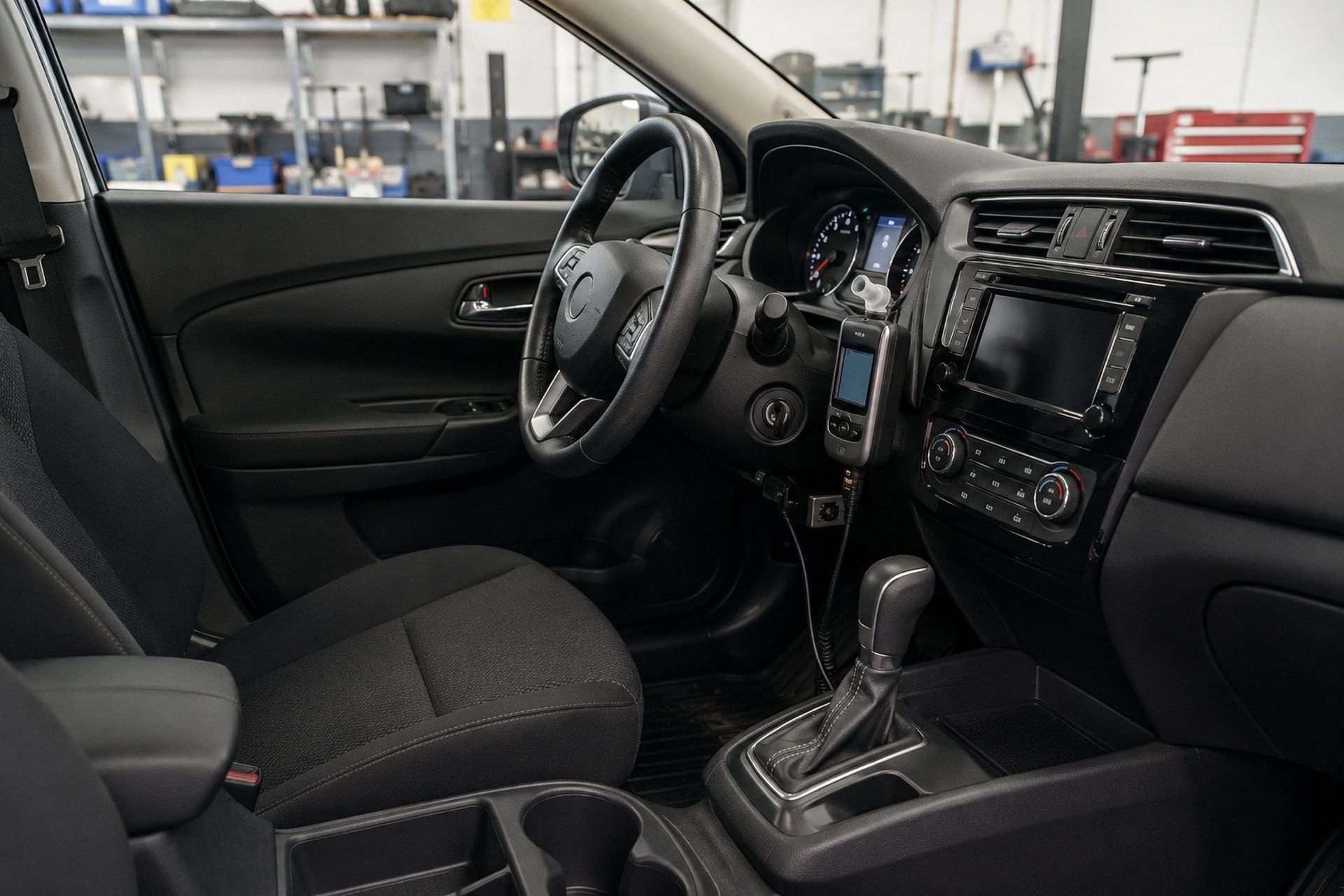
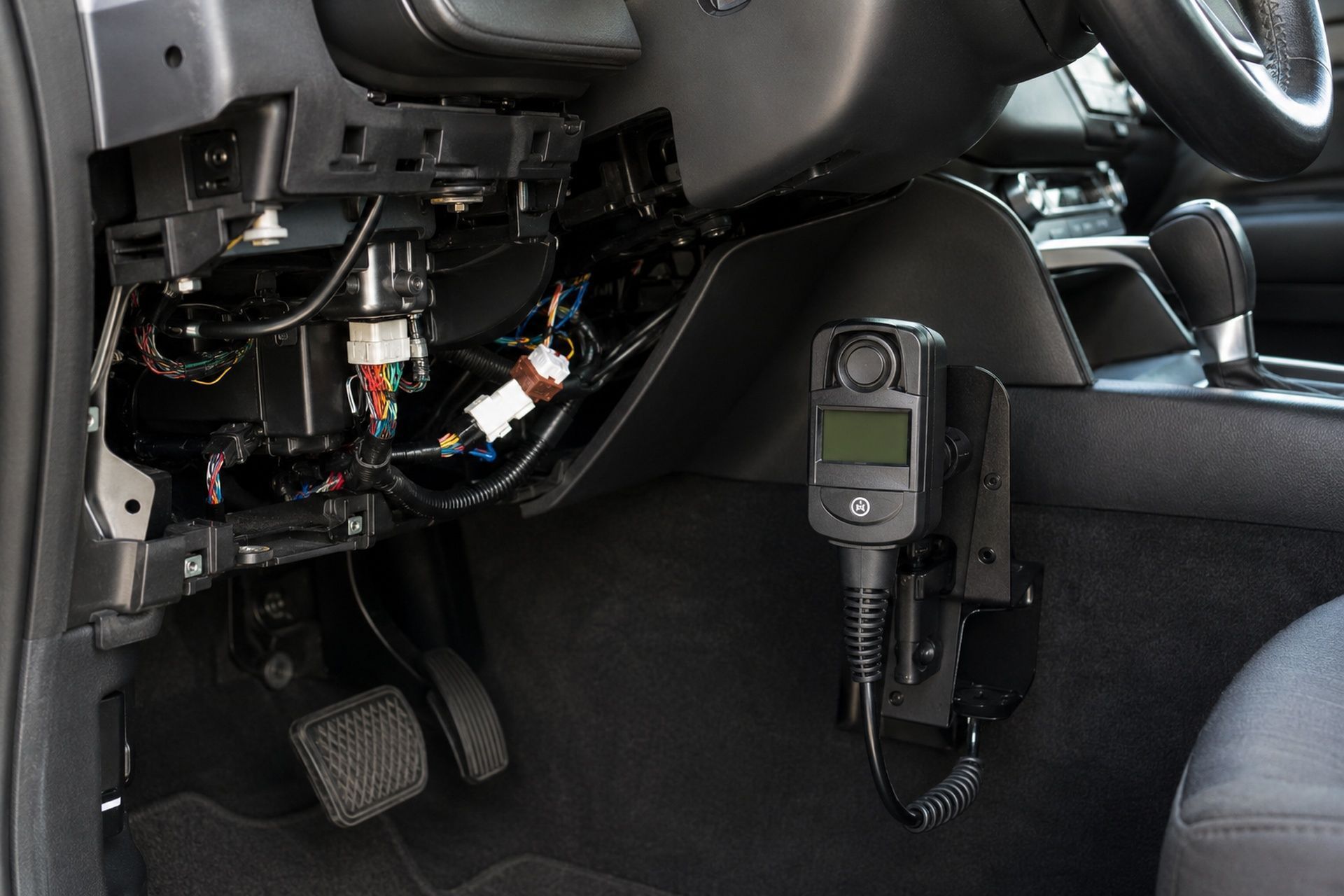
Ohio treats OVI offenses seriously, and the state's interlock requirements reflect that. An IID is a breathalyzer wired into your vehicle's ignition system. You blow into it before starting the car, and if your breath alcohol concentration (BrAC) registers above the preset limit (typically 0.02%), the vehicle won't start. The device also requires random rolling retests while you drive.
The length of time you'll need the device depends on your offense history, the judge's order, and whether you're seeking unlimited driving privileges during your suspension period. Ohio courts have broad discretion here, and the minimum installation periods are set by statute but can be extended.
Annie's Law and Mandatory Installation Periods
Annie's Law, which Ohio enacted in 2017, expanded the use of ignition interlock devices across the state. Under this law, even first-time OVI offenders can be required to install an IID. For a first offense, the mandatory interlock period is a minimum of six months if you want unlimited driving privileges during your suspension. Second offenses carry a minimum one-year IID requirement, and third offenses bump that to two years.
The law was named after Annie Rooney, who was killed by a repeat drunk driver, and it fundamentally changed how Ohio handles OVI cases. Before Annie's Law, many first-time offenders could get limited driving privileges without an interlock. That's no longer the standard.
Eligibility for Unlimited Driving Privileges
Here's where the IID actually works in your favor. Without one, you're stuck with limited driving privileges: work, school, medical appointments, and court-ordered treatment only. With an interlock installed, you can petition the court for unlimited driving privileges, meaning you can drive anywhere, anytime, as long as you pass the breath test.
To qualify, you need to file a petition with the court that sentenced you, provide proof of IID installation from a state-approved provider, and carry valid SR-22 insurance. Minimum fines for OVI convictions in Ohio have increased to $565 for a first offense and $715 for a second offense, so the financial motivation to get back to full driving privileges quickly is real.
State-Approved IID Providers for 2026
Ohio's Bureau of Motor Vehicles (BMV) maintains a list of approved ignition interlock manufacturers. You can't just pick any breathalyzer company: the device and the installer must both be certified by the state.
Certified Manufacturers and Ohio BMV Compliance
The Ohio BMV requires that all IID devices meet specific technical standards, including camera verification (to confirm the person blowing is actually the driver), GPS tracking capabilities, and tamper-detection features. As of 2026, the BMV's approved device list includes manufacturers that have passed state testing and certification.
Each approved manufacturer partners with local service centers for installation, calibration, and removal. You'll want to confirm that both the device brand and the specific technician are on the state's approved list before scheduling anything. Using a non-approved provider means the court won't recognize your installation, and you'll have wasted time and money.
Comparing Top Providers: Intoxalock, Smart Start, and LifeSafer
Three providers dominate the Ohio market. Here's how they compare:
| Feature | Intoxalock | Smart Start | LifeSafer |
|---|---|---|---|
| Monthly Lease | $70-$90 | $65-$85 | $70-$90 |
| Installation Fee | $50-$100 | $75-$150 | $50-$100 |
| Calibration Interval | 30 days | 30 days | 30 days |
| Ohio Locations | 50+ | 40+ | 30+ |
| 24/7 Support | Yes | Yes | Yes |
| Camera Equipped | Yes | Yes | Yes |
All three meet Ohio's 2026 compliance standards. Intoxalock tends to have the widest network of service centers across the state, which matters if you live outside a major metro area. Smart Start often runs promotions on installation fees. LifeSafer has a strong reputation for customer service. Your choice may come down to which provider has a location most convenient to you.

By: Evan Marcotte
SR-22 Insurance Specialist
INDEX
Understanding Ohio's 2026 Ignition Interlock Requirements
State-Approved IID Providers for 2026
Installation Locations and Service Centers Across Ohio
Costs, Fees, and Financial Assistance Programs
Maintaining Your Device and Avoiding Violations
Final Steps for Successful Removal and License Reinstatement
SR22 Direct connects drivers with licensed insurance agents who file SR22 and FR44 certificates for those needing proof of financial responsibility — available in all 50 states.
We help drivers across the country — from Florida, Virginia, Texas, and California, coast to coast — get matched with licensed insurance professionals who specialize in DUIs, license suspensions, and high-risk violations. SR22 Direct is not an insurance agency. We partner with a nationwide network of licensed agents and top-rated carriers so every driver can connect with a qualified professional for compliant, affordable, and often same-day SR22 or FR44 filing wherever they need it.
Installation Locations and Service Centers Across Ohio
Finding an installation location near you is one of the more practical concerns. The appointment itself typically takes 60 to 90 minutes, and you'll need to return every 30 days for calibration.
Finding Technicians in Major Metro Areas: Columbus, Cleveland, and Cincinnati
If you're in one of Ohio's three largest cities, you'll have plenty of options. Columbus alone has over a dozen approved service centers spread across the metro area, from Hilliard to Reynoldsburg. Cleveland and its suburbs (Parma, Lakewood, Mentor) have similar coverage. Cincinnati's service centers extend into northern Kentucky locations that are also Ohio-approved, which can be convenient if you live near the state line.
Most providers let you search by zip code on their websites. Book your appointment at least a week in advance, especially at the beginning of the month when calibration appointments stack up. Showing up without an appointment usually means getting turned away.
Rural Access and Mobile Installation Options
Living in rural Ohio creates a real challenge. If you're in Vinton County or Adams County, the nearest service center might be 45 minutes to an hour away. Some providers offer mobile installation, where a certified technician comes to your location, but this typically adds $50 to $100 to the installation fee.
Intoxalock and Smart Start both offer mobile service in parts of Ohio, though availability varies by region. Call the provider directly to ask about mobile options in your area rather than relying solely on the website search tool, which doesn't always show mobile availability.
New Title
Costs, Fees, and Financial Assistance Programs
The financial burden of an IID is real, and it stacks on top of fines, court costs, and increased insurance premiums. Knowing exactly what you'll pay helps you budget.
Breakdown of Monthly Lease and Calibration Fees
Expect to pay between $150 and $200 upfront for installation and your first month's lease. After that, monthly costs run $70 to $100, which covers the device lease and mandatory calibration appointments. Over a six-month mandatory period, you're looking at roughly $600 to $800 total, not including the initial installation.
Some providers charge separately for calibration ($25 to $50 per visit), while others bundle it into the monthly fee. Ask about this before signing any agreement. Removal at the end of your required period typically costs $50 to $100 as well. These costs come on top of the SR-22 insurance you'll need to carry. SR22 Direct offers some of the lowest rates available and can bundle your filing with an auto policy, which helps offset the overall financial hit.
Applying for Indigent Status to Reduce Costs
Ohio law recognizes that IID costs can be prohibitive for low-income individuals. If you qualify as indigent, you can apply through the court for reduced fees or a fee waiver. The court will look at your income, household size, and financial obligations.
Some IID providers also offer their own financial hardship programs with reduced monthly rates. Intoxalock, for example, has an assistance program that can lower monthly costs by 20-30% for qualifying individuals. Ask your provider directly: these programs aren't always advertised on their websites.
Maintaining Your Device and Avoiding Violations
Getting the device installed is only step one. Keeping it in good standing for the entire mandatory period is where people stumble.
Routine Calibration Schedules and Reporting
The interlock doesn't just test you when you start the car. Rolling re-tests happen at random intervals while you're driving, typically every 15 to 45 minutes. The device signals you with a tone, and you have a few minutes to provide a breath sample. If you miss the window or fail the test, the device logs a violation and may trigger your horn and lights to flash until you pull over and turn off the engine.
Every data point gets recorded: start-up tests, rolling re-tests, failed samples, missed tests, and any attempts to tamper with the device. This data is uploaded during calibration visits and sent directly to the DHSMV. Think of the device as a constant witness. There's no way to game it, and trying to do so only creates more problems.
Ohio requires calibration every 30 days, and this isn't flexible. Missing a calibration appointment, even by a day, generates a violation report that goes straight to the court and the BMV. Set a recurring reminder on your phone. Most providers will also send text or email reminders, but don't rely on those alone.
During calibration, the technician downloads your device data: every start attempt, every rolling retest, any failed tests, and any periods where the vehicle was driven without a valid test. This data is compiled into reports sent to your monitoring authority. Think of each calibration visit as a mini-audit of your driving behavior for the past month.
Consequences of Failed Tests or Tampering
A failed breath test doesn't just prevent your car from starting. It gets logged and reported. Multiple failed tests can result in extended IID requirements, revocation of your driving privileges, or additional criminal charges. The same goes for any evidence of tampering, like disconnecting the device, having someone else blow into it (the camera catches this), or attempting to bypass the system.
One thing people don't realize: mouthwash, certain medications, and even some foods can trigger a false positive. If you fail a test, wait a few minutes and retest. The device allows retests, and a single initial fail followed by a clean retest usually won't trigger a violation. But repeated patterns will raise red flags.
Final Steps for Successful Removal and License Reinstatement
Once your mandatory IID period ends, removal isn't automatic. You'll need to confirm with the court that your requirement has been satisfied, schedule a removal appointment with your provider, and then apply for full license reinstatement through the BMV.
Before removal, make sure your device data is clean for the final reporting period. Any violations in the last month can delay your removal date. Bring your court order and any reinstatement paperwork to the removal appointment so the provider can document everything properly.
Full license reinstatement also requires proof of continued SR-22 insurance, payment of all outstanding reinstatement fees to the BMV, and any other conditions set by the court. SR22 Direct's team can help ensure your SR-22 filing stays active throughout this process and handle the paperwork so nothing falls through the cracks.
The whole process, from IID installation to full reinstatement, tests your patience. But thousands of Ohio drivers complete it successfully every year, and the path is straightforward if you stay on top of your calibration schedule, avoid violations, and keep your insurance current.
Frequently Asked Questions
Can I choose any ignition interlock provider in Ohio? No. You must use a provider and device that appear on the Ohio BMV's approved list. Using a non-approved device means the court won't recognize your compliance.
How long does installation take? Most installations take 60 to 90 minutes. You'll also receive training on how to use the device properly during this appointment.
What happens if I move to another state during my IID period? You'll need to coordinate with both Ohio's BMV and the new state's motor vehicle agency. The IID requirement typically transfers, but the approved device list may differ.
Does my car insurance rate go up because of the IID? The IID itself doesn't directly raise your rates, but the OVI conviction that led to it almost certainly will. Carrying SR-22 insurance is required, and shopping for competitive rates through providers like SR22 Direct can help keep costs manageable.
Can someone else drive my car with the IID installed? Yes, but they'll need to use the device too. Anyone driving the vehicle must provide a breath sample to start the car and complete rolling retests.
About the Author:
Evan Marcotte
As the founder of SR22 Direct, I'm passionate about helping high-risk drivers get back on the road quickly, affordably, and without the runaround. My goal is to make SR22 and FR44 filings simple to understand and stress-free to complete — from your first quote to your certificate in hand, same day.
SR22 Insurance — Nationwide
SR22 & Every Filing Type — All 48 States
SR22 for all 48 states. Non-owner options for drivers without a vehicle.
FR44 for Florida and Virginia DUI filings. We cover every scenario.
SR22 · All 48 States
SR22 Auto Insurance
Affordable SR22 auto policies with same-day electronic filings. We shop all major carriers — Dairyland, Progressive, Bristol West, National General, and more.
SR22 · No Vehicle
Non-Owner SR22
Don't own a car but need to reinstate your license? Non-owner SR22 provides the liability coverage required to file — at lower rates than a standard auto policy.
High Risk Nationwide
DUI Insurance
Following a DUI conviction, most states require an SR22 alongside a high-risk auto policy. We specialize in this exact situation and find you the lowest rate available.
SR22 · LICENSE REINSTATEMENT
Suspended License Insurance
Need insurance to reinstate a suspended license? We handle the SR22 filing your state requires so you can get your driving privileges restored as fast as possible.
FR44 · FL & VA ONLY
FR44 Insurance
Florida and Virginia require FR44 instead of SR22 after a DUI. FR44 carries higher liability limits — we specialize in both states and file your certificate the same day.
FR44 · NO VEHICLE
Non-Owner FR44 Insurance
Required in Florida and Virginia if you've had a DUI but don't own a vehicle. An FR44 non-owner policy meets state filing requirements at a lower cost than standard FR44 coverage.
Why SR22 Direct
10+ Years. Licensed in All 48 States.
SR22 Experts.
Immediate Processing
We know time is critical. Our streamlined process gets your SR22 or FR44 filed the same day — minimizing any delay in getting back on the road.
Lowest Rates Guaranteed
We shop all major high-risk carriers — Dairyland, Progressive, Bristol West, National General — so you get the lowest rate available in your state.
SR22 & FR44 Specialists
Most insurers see SR22 and FR44 as a headache. We specialize in it. Our agents know every state's requirements inside-out, including FR44's higher limits.
Truly Nationwide
Licensed agents in all 48 SR22 states, plus FR44 specialists in Florida and Virginia. Wherever you are, we have the right agent for your filing.
WHAT OUR CLIENTS SAY
Fast Filings. Happy Drivers. 5-Star Service.
Our clients came to us stressed and stuck. They left filed, covered, and back behind the wheel. Read their stories below.
Nationwide Coverage
SR22 Insurance by State
Select your state for SR22 requirements, cost ranges, and filing timelines. In Florida and Virginia, FR44 is required for DUI convictions.
Florida
Texas
California
Ohio
Colorado
Michigan
Indiana
Tennessee
Alabama
Arkansas
Louisiana
Kentucky
Nebraska
Mississippi
Wisconsin
Minnesota
W. Virginia
Maryland
Connecticut
New Jersey
New Hampshire
Vermont
Rhode Island
Massachusetts
Illinois
Georgia
Virginia
Arizona
Missouri
N. Carolina
Washington
Nevada
S. Carolina
Utah
Iowa
Kansas
Oregon
Idaho
Montana
Wyoming
New Mexico
Alaska
Hawaii
Maine
N. Dakota
S. Dakota
Oklahoma
Delaware
faq
Frequently Asked Questions
Everything you need to know about SR22 and FR44 filings, costs, state requirements, and getting your license reinstated.
What is an SR22 and do I need one?
An SR22 is not insurance itself — it's a certificate of financial responsibility that your insurer files with your state DMV on your behalf. It proves you carry the minimum required liability coverage. Courts and states require it after serious driving violations like DUI, driving without insurance, reckless driving, or license suspension.
How fast can I get my SR22 filed?
Most of our clients are filed within 10 minutes of their first call. Once you approve a policy, your agent submits the SR22 electronically to your state DMV — often the same day. You'll receive your certificate by email immediately.
How much does SR22 insurance cost?
SR22 auto insurance starts around $49/month for vehicle owners and $38/month for non-owner policies, depending on your state and driving record. We shop all major high-risk carriers — Dairyland, Progressive, Bristol West, and National General — to find you the lowest available rate.
How long do I need to carry SR22 insurance?
Most states require SR22 coverage for 2–3 years. If your policy lapses at any point, the filing clock typically resets and your license can be suspended again. We monitor your policy and handle every renewal automatically so you never have to worry about a lapse.
Can I get SR22 insurance if I don't own a car?
Yes. A non-owner SR22 policy provides the liability coverage needed to reinstate your license without owning a vehicle. It's typically cheaper than a standard auto policy and works exactly the same way for your DMV filing requirement.
Do you cover all 48 SR22 states?
Yes — we have licensed agents in all 48 states that require SR22 filings. A small number of states (including New York and Pennsylvania) use different filing systems. Call us and we'll tell you exactly what's required in your state and get you set up the same day.
What's the difference between SR22 and FR44?
FR44 is required exclusively in Florida and Virginia after a DUI conviction. It works like an SR22 but mandates significantly higher liability limits — 100/300/50 in Florida vs. the standard 10/20/10 minimum. If you're in Florida or Virginia with a DUI, you need FR44, not SR22. We handle both.