Tennessee Ignition Interlock Installation
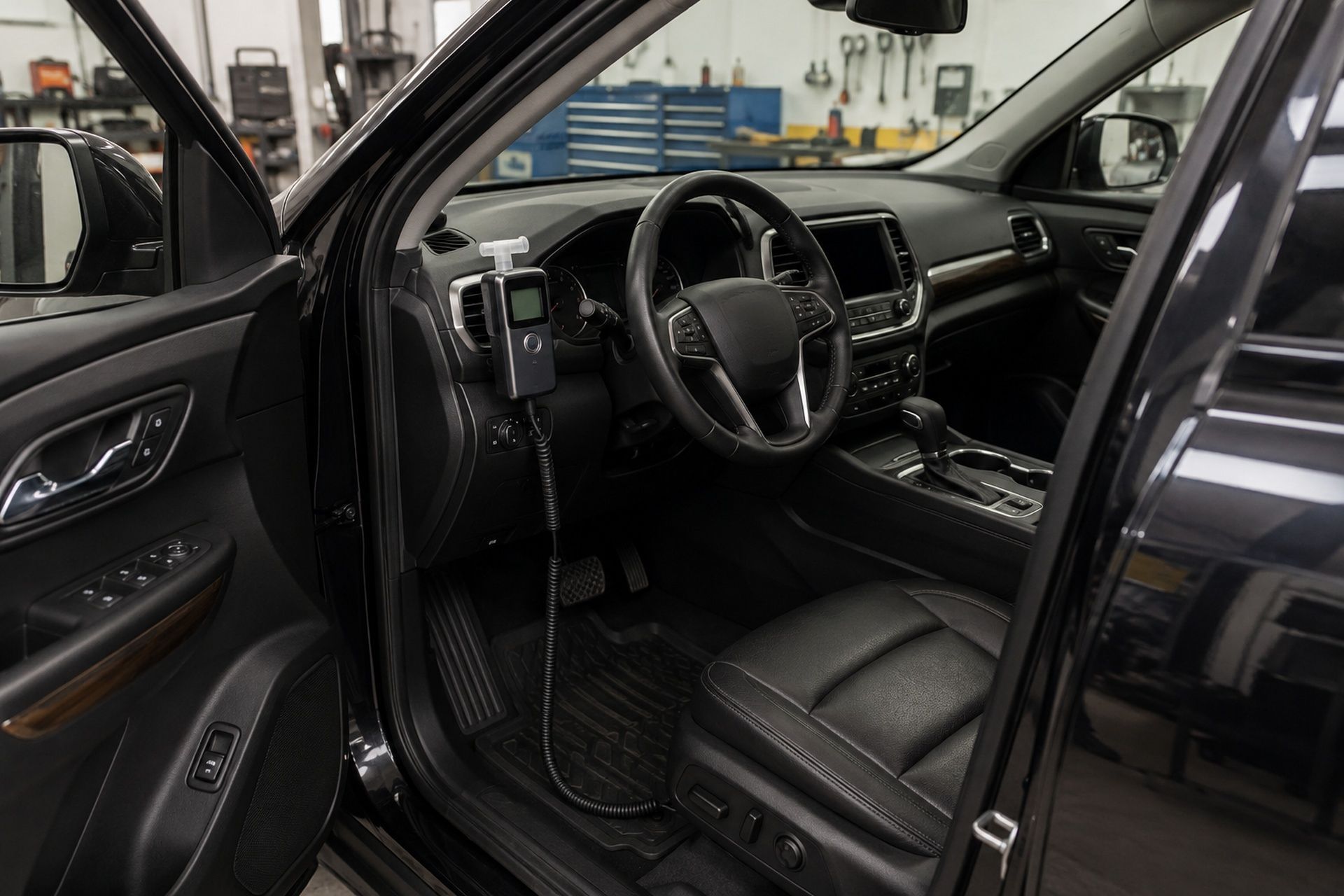
Getting behind the wheel again after a DUI conviction in Tennessee means dealing with more than just fines and court dates. For most offenders, the state requires an ignition interlock device (IID) before you can legally drive. The device connects to your vehicle's ignition system and requires a clean breath sample before the engine will start. If you're facing this requirement in 2026, you're probably wondering where to go, what it costs, and how to stay compliant without losing your mind. Tennessee's interlock program has expanded significantly over the past few years, with more approved providers and installation locations than ever before. This guide covers the approved providers, installation process, costs, and compliance rules you need to know right now. Whether you're in downtown Nashville or a small town in East Tennessee, there are options closer than you might think.
Understanding Tennessee Ignition Interlock Laws for 2026
Tennessee takes impaired driving seriously, and the state's interlock laws reflect that. The IID requirement isn't just a suggestion: it's a court-ordered condition that applies to a wide range of DUI offenders. Understanding exactly who needs one and which agencies oversee the program will save you time and frustration.
Mandatory Requirements for First-Time and Repeat DUI Offenders
First-time DUI offenders in Tennessee with a blood alcohol concentration (BAC) of 0.08% or higher are required to install an ignition interlock device for at least one year. If your BAC was 0.15% or above at the time of arrest, the mandatory period extends, and the court may impose additional restrictions. Repeat offenders face longer interlock periods, sometimes stretching to multiple years depending on the number of prior convictions.
The state doesn't offer many exceptions here. Even if you plead to a lesser charge, the judge can still order an IID as a condition of your restricted license. Refusing to install one means you simply don't drive legally, and that creates a cascade of problems with employment, family obligations, and court compliance. Ignition interlocks are estimated to reduce repeat DUI offenses by 67% to 75%, having prevented over 7,400 drunk driving incidents across the state. That statistic alone explains why Tennessee has expanded the program so aggressively.
The Role of the Tennessee Department of Safety and Homeland Security
The Tennessee Department of Safety and Homeland Security (TDOSHS) manages the state's ignition interlock program. They maintain the official list of approved providers, set device standards, and handle compliance reporting from vendors. When a court orders you to install an IID, the TDOSHS is the agency that tracks whether you've followed through.
Your restricted license won't be issued until the department receives proof of installation from an approved provider. They also receive your monthly calibration and download reports, so any violations, failed tests, or missed appointments show up on their radar quickly. Staying in good standing with the TDOSHS is non-negotiable if you want to eventually get your full driving privileges back.
2026 State-Approved Ignition Interlock Providers
Tennessee only allows devices from vendors on the state's approved list. You can't just buy any breathalyzer off the internet and wire it into your car. The approved providers have met specific technology and reporting standards set by the TDOSHS.
Top-Rated Vendors: Smart Start, Intoxalock, and Guardian
Three providers dominate the Tennessee market in 2026: Smart Start, Intoxalock, and Guardian Interlock. Each has multiple installation locations across the state and offers slightly different pricing structures and customer service experiences.
| Feature | Smart Start | Intoxalock | Guardian |
|---|---|---|---|
| Monthly Lease | $70-$90 | $65-$85 | $70-$95 |
| Installation Fee | $75-$150 | $50-$125 | $100-$150 |
| Calibration Interval | 30 days | 30 days | 30 days |
| Mobile App Monitoring | Yes | Yes | Yes |
| 24/7 Support | Yes | Yes | Yes |
| Removal Fee | $50-$75 | $50-$100 | $50-$75 |
Smart Start tends to have the widest network of service centers in Tennessee. Intoxalock often runs promotional pricing for the first few months. Guardian has a reputation for responsive customer support. All three meet the state's technical requirements, so the decision often comes down to which provider has a location convenient to you and fits your budget.
Comparing Device Features and Technology Standards
All state-approved devices in Tennessee must meet National Highway Traffic Safety Administration model specifications for breath alcohol ignition interlock devices. That means they use fuel cell sensor technology, require rolling retests while driving, and automatically log every breath sample.
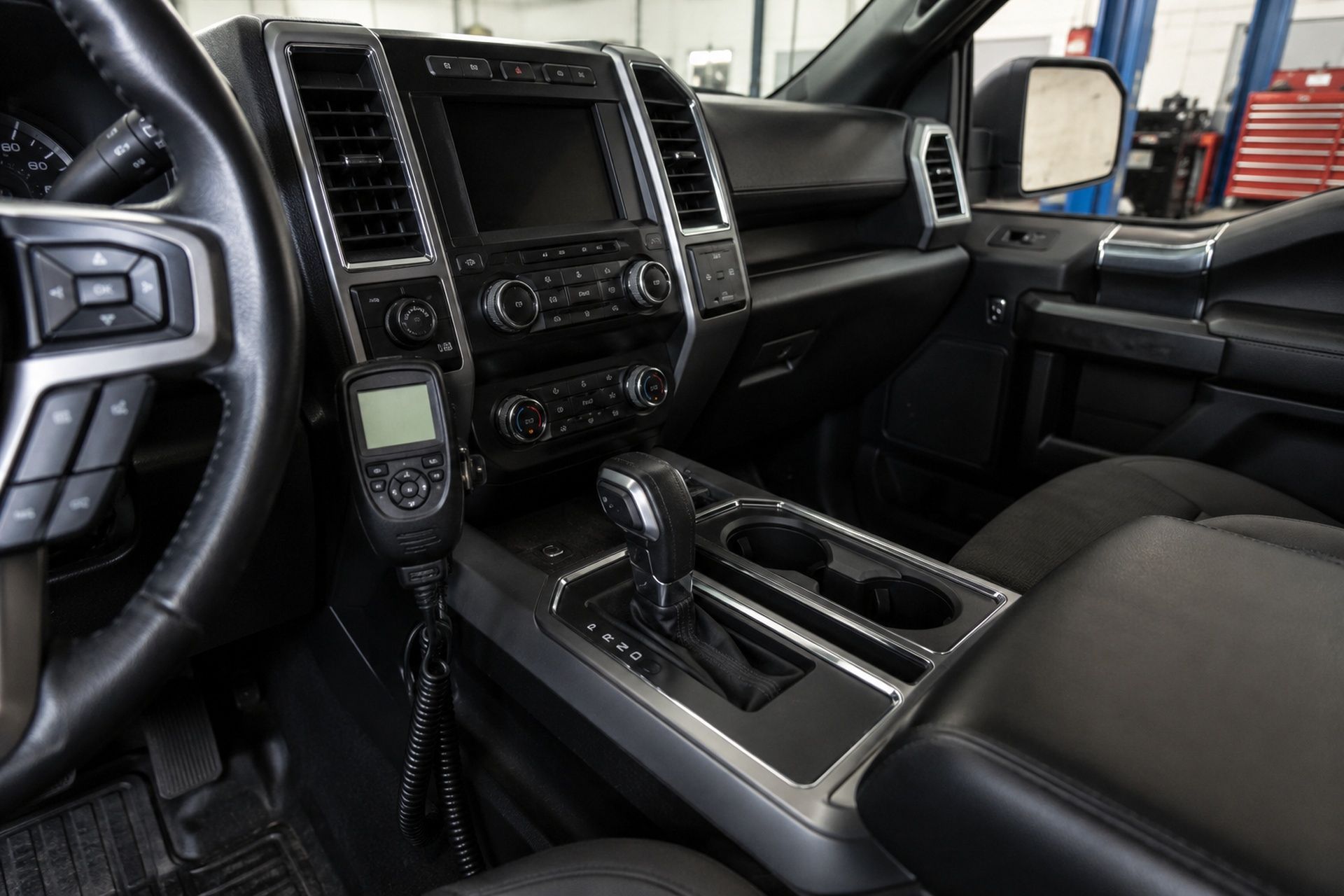
The differences between devices are mostly about user experience. Some units have smaller handsets that are less conspicuous in your vehicle. Others offer smartphone apps that send reminders for upcoming calibration appointments or alert you if there's a potential issue. Camera-equipped devices, which photograph the person providing the breath sample, are becoming standard across all three major vendors. This prevents someone else from blowing into the device for you.

By: Evan Marcotte
SR-22 Insurance Specialist
INDEX
Understanding Tennessee Ignition Interlock Laws for 2026
2026 State-Approved Ignition Interlock Providers
Finding Installation Locations in Tennessee
The Installation Process and Required Documentation
Cost Breakdown and Financial Assistance Programs
Maintaining Compliance and Avoiding Program Violations
SR22 Direct connects drivers with licensed insurance agents who file SR22 and FR44 certificates for those needing proof of financial responsibility — available in all 50 states.
We help drivers across the country — from Florida, Virginia, Texas, and California, coast to coast — get matched with licensed insurance professionals who specialize in DUIs, license suspensions, and high-risk violations. SR22 Direct is not an insurance agency. We partner with a nationwide network of licensed agents and top-rated carriers so every driver can connect with a qualified professional for compliant, affordable, and often same-day SR22 or FR44 filing wherever they need it.
Finding Installation Locations in Tennessee
One of the biggest concerns people have is finding a convenient installation location, especially if they live outside a major metro area.
Major Service Hubs: Nashville, Memphis, Knoxville, and Chattanooga
Nashville has the highest concentration of interlock installation centers, with at least 8-10 locations spread across Davidson County and surrounding suburbs like Murfreesboro and Franklin. Memphis and Knoxville each have 5-7 service centers, while Chattanooga typically has 3-4. These urban hubs handle the majority of installations in the state.
Appointments in major cities are usually available within 3-5 business days. During peak periods, like January and summer months when DUI arrests spike, wait times can stretch to a week or more. Booking early matters. Most providers let you schedule online or by phone, and some offer same-day installation if you call first thing in the morning.
Rural Access and Mobile Installation Options
If you live in a rural part of Tennessee, getting to an installation center can be a real challenge, especially when your license is restricted or suspended. Some providers offer mobile installation services where a certified technician comes to your location. This typically costs an extra $50-$100, but it eliminates the need for a long drive to the nearest city.
Smaller towns like Jackson, Cookeville, Johnson City, and Clarksville usually have at least one or two authorized service locations. Check the TDOSHS approved vendor list for the most current locations, as new service centers open regularly. If you're in a truly remote area, the mobile option is worth the extra cost.
New Title
The Installation Process and Required Documentation
Knowing what to expect on installation day helps you avoid delays and wasted trips.
Setting Your Appointment and Vehicle Compatibility
Call your chosen provider to schedule an appointment. You'll need to specify the year, make, and model of your vehicle so the technician can confirm compatibility and have the right wiring harness ready. Most modern vehicles work fine with IIDs, but some older models or vehicles with push-button start systems may require additional adapters.
The installation itself takes about 1-2 hours. The technician connects the device to your vehicle's electrical system and starter circuit, mounts the handset in a reachable location, and runs you through how to use it. You'll practice providing breath samples and learn about rolling retests, which require you to blow into the device at random intervals while driving.
Proof of Installation and Compliance Reporting
After installation, the provider sends proof of compliance to the TDOSHS and, in many cases, directly to the court. You'll receive a certificate of installation that you should keep in your vehicle at all times. This document is your proof that you're meeting the court's requirements.
Your provider also handles monthly data downloads during calibration visits. These reports show every breath test, any failed attempts, and whether you've missed any required retests. The data goes straight to the state, so there's no hiding a violation. If you need SR-22 insurance alongside your interlock requirement, SR22 Direct can get your filing processed within 10 minutes, which keeps your restricted license valid without unnecessary delays.
Cost Breakdown and Financial Assistance Programs
The financial burden of an IID is real, and it adds up over months or years of required use.
Monthly Lease Fees, Calibration Costs, and Removal Charges
The interlock doesn't just test you when you start the car. Rolling re-tests happen at random intervals while you're driving, typically every 15 to 45 minutes. The device signals you with a tone, and you have a few minutes to provide a breath sample. If you miss the window or fail the test, the device logs a violation and may trigger your horn and lights to flash until you pull over and turn off the engine.
Every data point gets recorded: start-up tests, rolling re-tests, failed samples, missed tests, and any attempts to tamper with the device. This data is uploaded during calibration visits and sent directly to the DHSMV. Think of the device as a constant witness. There's no way to game it, and trying to do so only creates more problems.
Expect to pay between $65 and $95 per month for the device lease, plus $25-$50 for each monthly calibration visit. Installation runs $50-$150 depending on the provider and your vehicle, and removal at the end of your program period costs another $50-$100. Over a 12-month interlock period, total costs typically range from $1,200 to $1,800.
Some providers offer payment plans or discounted rates if you pay several months upfront. Always ask about hidden fees: some vendors charge extra for lockout resets, device replacements, or early termination. Get the full fee schedule in writing before you sign anything.
Qualifying for the Tennessee Indigent Fund
Tennessee offers financial assistance for drivers who can't afford interlock costs. The state's indigent fund helps cover a portion of the monthly fees for qualifying individuals. To apply, you'll typically need to provide proof of income, documentation of public assistance enrollment, or a letter from the court.
Eligibility requirements vary, but if your household income falls below a certain threshold, you may qualify for reduced monthly payments. Contact your provider or the TDOSHS directly to start the application process. Don't let cost be the reason you drive without the required device: the penalties for driving on a suspended license are far worse than the interlock fees.
Maintaining Compliance and Avoiding Program Violations
Installing the device is only the beginning. Staying compliant for the full duration of your interlock period requires consistent attention.
Calibration Schedules and Device Maintenance
Tennessee requires calibration every 30 days without exception. Missing a calibration appointment triggers a lockout, meaning your vehicle won't start until you get the device serviced. Most providers send text or email reminders, but set your own calendar alerts as a backup.
Between calibrations, keep the device clean and avoid exposing it to extreme temperatures when possible. Mouthwash, certain foods, and even hand sanitizer fumes can cause false readings. Rinse your mouth with water and wait a few minutes before providing a sample if you've recently eaten or used any alcohol-containing product.
Consequences of Failed Tests or Tampering
A failed breath test gets recorded and reported to the state. One isolated failure usually won't trigger immediate consequences, but a pattern of failed tests can extend your interlock period or result in license revocation. Tampering with the device, attempting to bypass it, or having someone else provide a breath sample carries serious criminal penalties, including additional jail time.
The cameras on modern devices make it nearly impossible to cheat the system. If the TDOSHS determines you've violated program rules, you could face an extended interlock requirement, additional fines, or a return to full license suspension.
Navigating the Path to License Reinstatement
Getting your full license back requires completing every step of the interlock program without major violations. Once your court-ordered period ends and you've maintained a clean compliance record, your provider will remove the device and send a completion certificate to the state. The TDOSHS then processes your reinstatement, which may also require paying reinstatement fees and maintaining valid SR-22 insurance for the required period.
If you still need SR-22 coverage, SR22 Direct offers same-day filings and competitive rates that won't drain your wallet while you're already paying for interlock costs. Their agents handle the paperwork so you can focus on getting back to normal.
The interlock period feels long while you're in it, but staying compliant is the fastest path back to unrestricted driving. Don't cut corners, don't skip calibrations, and don't try to game the system. Tennessee's program is designed to get you back on the road safely, and thousands of drivers complete it successfully every year.
New Title
Frequently Asked Questions
How long do I need an ignition interlock device in Tennessee? First-time DUI offenders typically need the device for one year. Repeat offenders or those with high BAC levels may face longer periods, sometimes two years or more.
Can I drive any vehicle with an interlock device? No. The device is installed on a specific vehicle, and you're only legally allowed to drive that vehicle during your interlock period. Driving any vehicle without an IID is a violation.
What happens if my device registers a false positive? Rinse your mouth with water and wait a few minutes before retesting. If you get a second clean result, the initial reading is typically noted but won't count against you. Repeated false positives should be reported to your provider.
Do I need SR-22 insurance along with an interlock device? Yes, Tennessee requires SR-22 insurance for most DUI offenders. You'll need to maintain both the IID and active SR-22 coverage for the duration of your restricted license period.
Can I get the interlock removed early? Only if the court modifies your order. Petitioning for early removal is possible in some cases, but you'll need legal representation and a strong compliance record to make a convincing case.
The interlock doesn't just test you when you start the car. Rolling re-tests happen at random intervals while you're driving, typically every 15 to 45 minutes. The device signals you with a tone, and you have a few minutes to provide a breath sample. If you miss the window or fail the test, the device logs a violation and may trigger your horn and lights to flash until you pull over and turn off the engine.
Every data point gets recorded: start-up tests, rolling re-tests, failed samples, missed tests, and any attempts to tamper with the device. This data is uploaded during calibration visits and sent directly to the DHSMV. Think of the device as a constant witness. There's no way to game it, and trying to do so only creates more problems.
About the Author:
Evan Marcotte
As the founder of SR22 Direct, I'm passionate about helping high-risk drivers get back on the road quickly, affordably, and without the runaround. My goal is to make SR22 and FR44 filings simple to understand and stress-free to complete — from your first quote to your certificate in hand, same day.
SR22 Insurance — Nationwide
SR22 & Every Filing Type — All 48 States
SR22 for all 48 states. Non-owner options for drivers without a vehicle.
FR44 for Florida and Virginia DUI filings. We cover every scenario.
SR22 · All 48 States
SR22 Auto Insurance
Affordable SR22 auto policies with same-day electronic filings. We shop all major carriers — Dairyland, Progressive, Bristol West, National General, and more.
SR22 · No Vehicle
Non-Owner SR22
Don't own a car but need to reinstate your license? Non-owner SR22 provides the liability coverage required to file — at lower rates than a standard auto policy.
High Risk Nationwide
DUI Insurance
Following a DUI conviction, most states require an SR22 alongside a high-risk auto policy. We specialize in this exact situation and find you the lowest rate available.
SR22 · LICENSE REINSTATEMENT
Suspended License Insurance
Need insurance to reinstate a suspended license? We handle the SR22 filing your state requires so you can get your driving privileges restored as fast as possible.
FR44 · FL & VA ONLY
FR44 Insurance
Florida and Virginia require FR44 instead of SR22 after a DUI. FR44 carries higher liability limits — we specialize in both states and file your certificate the same day.
FR44 · NO VEHICLE
Non-Owner FR44 Insurance
Required in Florida and Virginia if you've had a DUI but don't own a vehicle. An FR44 non-owner policy meets state filing requirements at a lower cost than standard FR44 coverage.
Why SR22 Direct
10+ Years. Licensed in All 48 States.
SR22 Experts.
Immediate Processing
We know time is critical. Our streamlined process gets your SR22 or FR44 filed the same day — minimizing any delay in getting back on the road.
Lowest Rates Guaranteed
We shop all major high-risk carriers — Dairyland, Progressive, Bristol West, National General — so you get the lowest rate available in your state.
SR22 & FR44 Specialists
Most insurers see SR22 and FR44 as a headache. We specialize in it. Our agents know every state's requirements inside-out, including FR44's higher limits.
Truly Nationwide
Licensed agents in all 48 SR22 states, plus FR44 specialists in Florida and Virginia. Wherever you are, we have the right agent for your filing.
WHAT OUR CLIENTS SAY
Fast Filings. Happy Drivers. 5-Star Service.
Our clients came to us stressed and stuck. They left filed, covered, and back behind the wheel. Read their stories below.
Nationwide Coverage
SR22 Insurance by State
Select your state for SR22 requirements, cost ranges, and filing timelines. In Florida and Virginia, FR44 is required for DUI convictions.
Florida
Texas
California
Ohio
Colorado
Michigan
Indiana
Tennessee
Alabama
Arkansas
Louisiana
Kentucky
Nebraska
Mississippi
Wisconsin
Minnesota
W. Virginia
Maryland
Connecticut
New Jersey
New Hampshire
Vermont
Rhode Island
Massachusetts
Illinois
Georgia
Virginia
Arizona
Missouri
N. Carolina
Washington
Nevada
S. Carolina
Utah
Iowa
Kansas
Oregon
Idaho
Montana
Wyoming
New Mexico
Alaska
Hawaii
Maine
N. Dakota
S. Dakota
Oklahoma
Delaware
faq
Frequently Asked Questions
Everything you need to know about SR22 and FR44 filings, costs, state requirements, and getting your license reinstated.
What is an SR22 and do I need one?
An SR22 is not insurance itself — it's a certificate of financial responsibility that your insurer files with your state DMV on your behalf. It proves you carry the minimum required liability coverage. Courts and states require it after serious driving violations like DUI, driving without insurance, reckless driving, or license suspension.
How fast can I get my SR22 filed?
Most of our clients are filed within 10 minutes of their first call. Once you approve a policy, your agent submits the SR22 electronically to your state DMV — often the same day. You'll receive your certificate by email immediately.
How much does SR22 insurance cost?
SR22 auto insurance starts around $49/month for vehicle owners and $38/month for non-owner policies, depending on your state and driving record. We shop all major high-risk carriers — Dairyland, Progressive, Bristol West, and National General — to find you the lowest available rate.
How long do I need to carry SR22 insurance?
Most states require SR22 coverage for 2–3 years. If your policy lapses at any point, the filing clock typically resets and your license can be suspended again. We monitor your policy and handle every renewal automatically so you never have to worry about a lapse.
Can I get SR22 insurance if I don't own a car?
Yes. A non-owner SR22 policy provides the liability coverage needed to reinstate your license without owning a vehicle. It's typically cheaper than a standard auto policy and works exactly the same way for your DMV filing requirement.
Do you cover all 48 SR22 states?
Yes — we have licensed agents in all 48 states that require SR22 filings. A small number of states (including New York and Pennsylvania) use different filing systems. Call us and we'll tell you exactly what's required in your state and get you set up the same day.
What's the difference between SR22 and FR44?
FR44 is required exclusively in Florida and Virginia after a DUI conviction. It works like an SR22 but mandates significantly higher liability limits — 100/300/50 in Florida vs. the standard 10/20/10 minimum. If you're in Florida or Virginia with a DUI, you need FR44, not SR22. We handle both.